
Dr. Ghazi Muhammad delivers evidence-informed, culturally responsive programs for reentry systems, juvenile justice agencies, school districts, and workforce development organizations structured for grant funding and institutional deployment.
Programs serving justice-impacted adults transitioning from incarceration. Narrative Performance addresses the internal identity shift required for sustained reintegration — not just compliance.
Title I schools, alternative learning centers, and at-risk youth programs. Designed to interrupt the school-to-prison pipeline by addressing the narrative driving disengagement and conflict.
Detention facilities, diversion programs, and youth probation agencies. Structured to reach young people where conventional interventions have failed — inside their own cultural framework.
Organizations preparing justice-impacted and at-risk populations for sustainable employment. Behavioral readiness is the missing link between job training and long-term job retention.
County jails and state facilities seeking evidence-aligned programming that addresses cognitive and behavioral drivers of recidivism — not just rule compliance.
Community-based organizations serving high-risk youth and justice-impacted populations. Grant-fundable, culturally responsive, and deployable through facilitator licensing.
A structured, non-clinical behavioral transformation program built on the principle that behavior is not random — it is driven by an internal narrative. Until that narrative is identified and interrupted, the behavior returns regardless of intervention. This program gives participants the tools to recognize the story driving their decisions, challenge its accuracy, and reconstruct a narrative aligned with growth and accountability.Designed for reentry programs, juvenile justice systems, school districts, and workforce development agencies. Deployable as a standalone cohort program or integrated into existing curriculum frameworks.
| Duration | 6–12 Week Implementation Cycle |
|---|---|
| Format | In-Person / Virtual / Hybrid |
| Delivery | Facilitator-Led Group Sessions |
| Group Size | 10–30 Participants Per Cohort |
| Licensing | Train-the-Trainer Available |
| Funding | Grant-Eligible & Fundable |
A reentry-specific transformation program built on Dr. Ghazi’s direct lived experience — seven years incarcerated, and decades spent studying and documenting what actually produces different outcomes for the people the system keeps cycling through. FELON 2.0 addresses the identity crisis that drives recidivism: when a person’s entire framework for understanding themselves was built inside a system, leaving that system doesn’t automatically produce a new one.This program bridges that gap — moving participants from survival identity to purposeful, productive citizenship through structured narrative confrontation and behavioral reconstruction.
| Duration | 6–8 Week Implementation Cycle |
|---|---|
| Format | In-Person / Virtual / Hybrid |
| Delivery | Workshop + Coaching Model |
| Population | Justice-Impacted Adults |
| Licensing | Train-the-Trainer Available |
| Funding | Grant-Eligible & Fundable |
Identify the Narrative — Surface the internal story driving current behavior patterns. Participants learn to name what has been operating beneath every decision they have made.
Interrogate the Narrative — Challenge the accuracy and origin of that narrative. Where did it come from? Is it still true? Who decided it was?
Reframe the Narrative — Reconstruct a new internal story aligned with growth, accountability, and possibility — built by the participant, not assigned to them
Leverage the Narrative — Apply the new narrative to real-time decisions and behavior under pressure — where it actually matters and where previous interventions have failed.
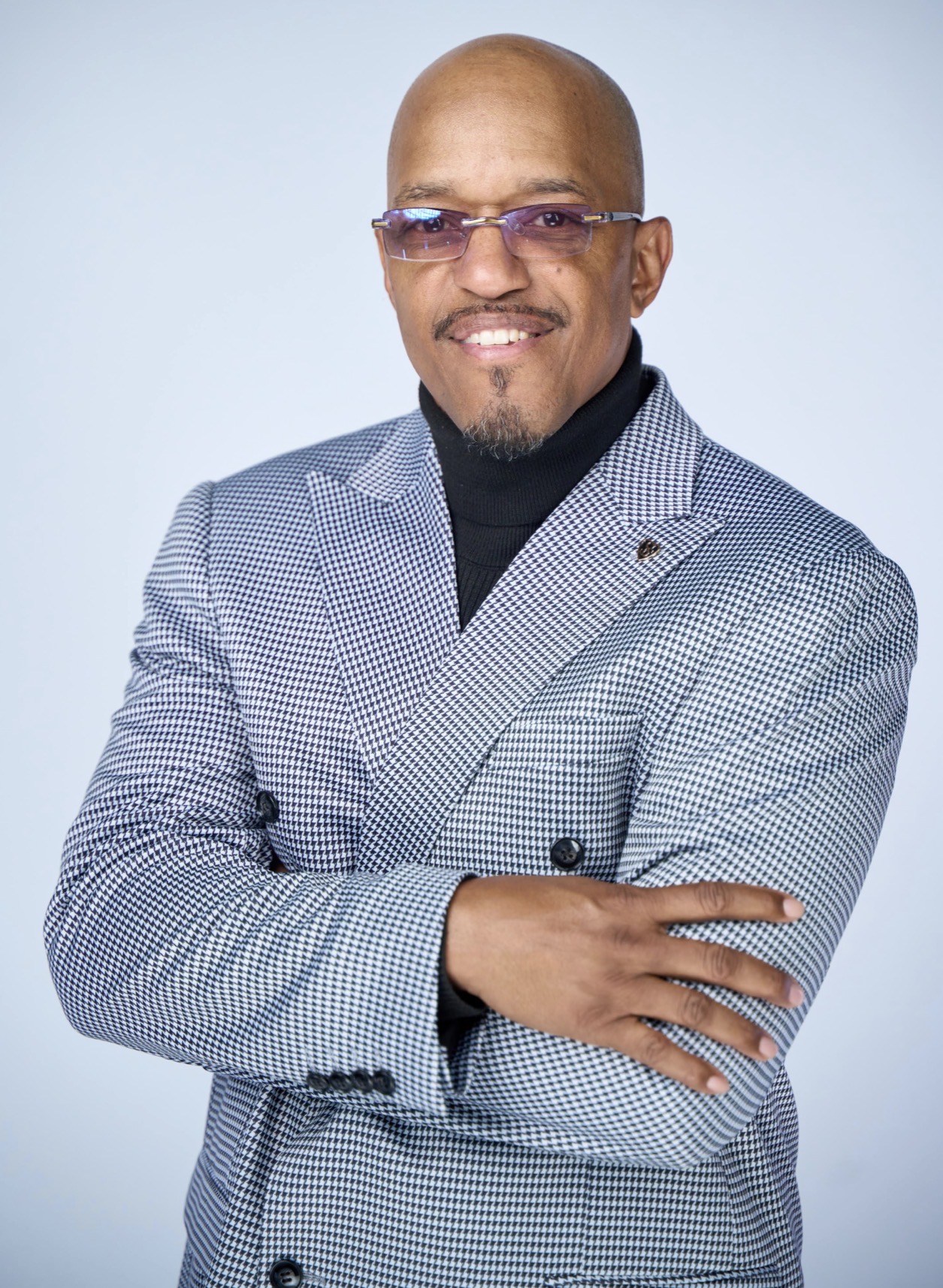
Dr. Ghazi Muhammad is not a clinician who studied justice-impacted populations from the outside. He is a practitioner who lived it — incarcerated at 17, seven years inside, and decades spent studying what actually produces different outcomes for the people the system keeps cycling through.That lived experience, combined with a structured proprietary framework and five published books, is what makes Narrative Performance different from every other cognitive-behavioral program on the market. Participants recognize the truth in it because it comes from someone who has been where they are.
Most programs tell people what to do. Narrative Performance helps them understand why they keep doing what isn’t working.
Dr. Ghazi Muhammad
Narrative Performance programs are structured to align with the most common reentry, juvenile justice, and youth development funding streams — with clear outcomes language, defined implementation cycles, and measurable milestones for grant reporting.
Programs targeting recidivism reduction through cognitive and behavioral intervention align directly with DOJ Second Chance Act funding priorities and Bureau of Justice Assistance reentry initiatives.
School districts serving high-risk youth populations can deploy Narrative Performance as a supplemental behavioral intervention aligned with Title I student support requirements.
WIOA-funded workforce development programs serving justice-impacted adults can integrate Narrative Performance as the behavioral readiness component of job training pipelines.
Youth-facing programs align with Office of Juvenile Justice and Delinquency Prevention funding streams targeting delinquency prevention and cognitive-behavioral intervention.
In-facility and transitional programs can be structured for direct state and county corrections budget funding — particularly in jurisdictions with recidivism-reduction mandates.
Culturally responsive programming for Black men, justice-impacted individuals, and at-risk youth aligns with many private foundation priority areas and community-based grant programs.